
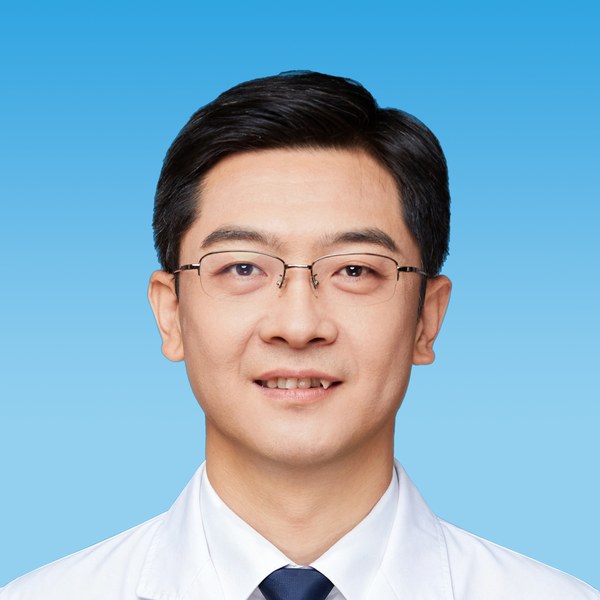
Shaoliang Wang, MD (王韶亮)
Director, Plastic Surgery & Aesthetics Medical Center · Vice Chief Physician, Associate Professor, Doctor of Medicine
Complex wound repair · debridement · grafts and flaps
Dr. Shaoliang Wang is Director of the Plastic Surgery & Aesthetics Medical Center at Chongqing West District Hospital and the lead physician of this site’s wound care content. He previously served as Deputy Chief of Plastic and Aesthetic Surgery at Xinqiao Hospital, affiliated with Army Medical University, and brings more than two decades of tertiary-hospital surgical experience to his practice. He uses he and his pronouns.
His practice covers the problems this site is built around: complex wound repair, surgical debridement of dead tissue and biofilm, skin graft and flap closure of wounds that will not close on their own, reconstruction of deep defects including those over bone, and the correction of failed wound surgery from elsewhere. He also removes skin tumours with margin control and reconstructs the resulting defect in layers.
Clinical focus
Academic roles & achievements
A hospital-based advantage
A wound that needs vascular assessment, imaging, pathology, or theatre-level care is not referred across town. Practicing inside a tertiary general hospital means the anesthesia, laboratory, imaging, and intensive-care backstop a complex wound needs is already in the same building — which is what makes an honest, staged wound plan possible.